

From his humble beginnings hauling set equipment and operating studio trucks to walking the stage at the Academy Awards, Gerald R. Molen carved out an extraordinary career in American cinema.
The acclaimed producer, whose work helped bring landmark motion pictures such as Schindler’s List, Jurassic Park, and Rain Man to audiences worldwide, has died at the age of 91. His death was shared publicly by his great-niece, Rachel Lorraine Pullan, through a tribute posted to Instagram.
In her message, she noted that Molen had passed on to join her great-grandmother and his beloved wife Pat on the other side of the veil, expressing that she felt deep sorrow alongside happiness for him. She also celebrated Molen as a person defined by strong integrity and exceptional moral character.
Molen did not break into the film industry as an executive or established filmmaker. Instead, he climbed the ranks step by step from the ground floor.
As his great-niece recounted, he started out moving production gear and driving vehicles around studio lots, gradually advancing through the production hierarchy until he achieved his status as a producer. Along that path, Molen formed a vital working partnership with Steven Spielberg, becoming an essential contributor to several of the director’s most celebrated projects.
Oscar-winning producer
Their collaboration started in 1985, when Molen served as the unit production manager on The Color Purple. Spielberg later offered him his initial producing opportunity on the 1987 release batteries not included, inaugurating a creative alliance that yielded many of cinema’s most recognizable titles over the subsequent decades.
Molen went on to produce major cinematic releases including Schindler’s List, Jurassic Park, Hook, Minority Report, and The Lost World: Jurassic Park. Through Amblin Entertainment, he also oversaw a slate of widely popular features, including The Flintstones, The Little Rascals, Casper, and Twister.
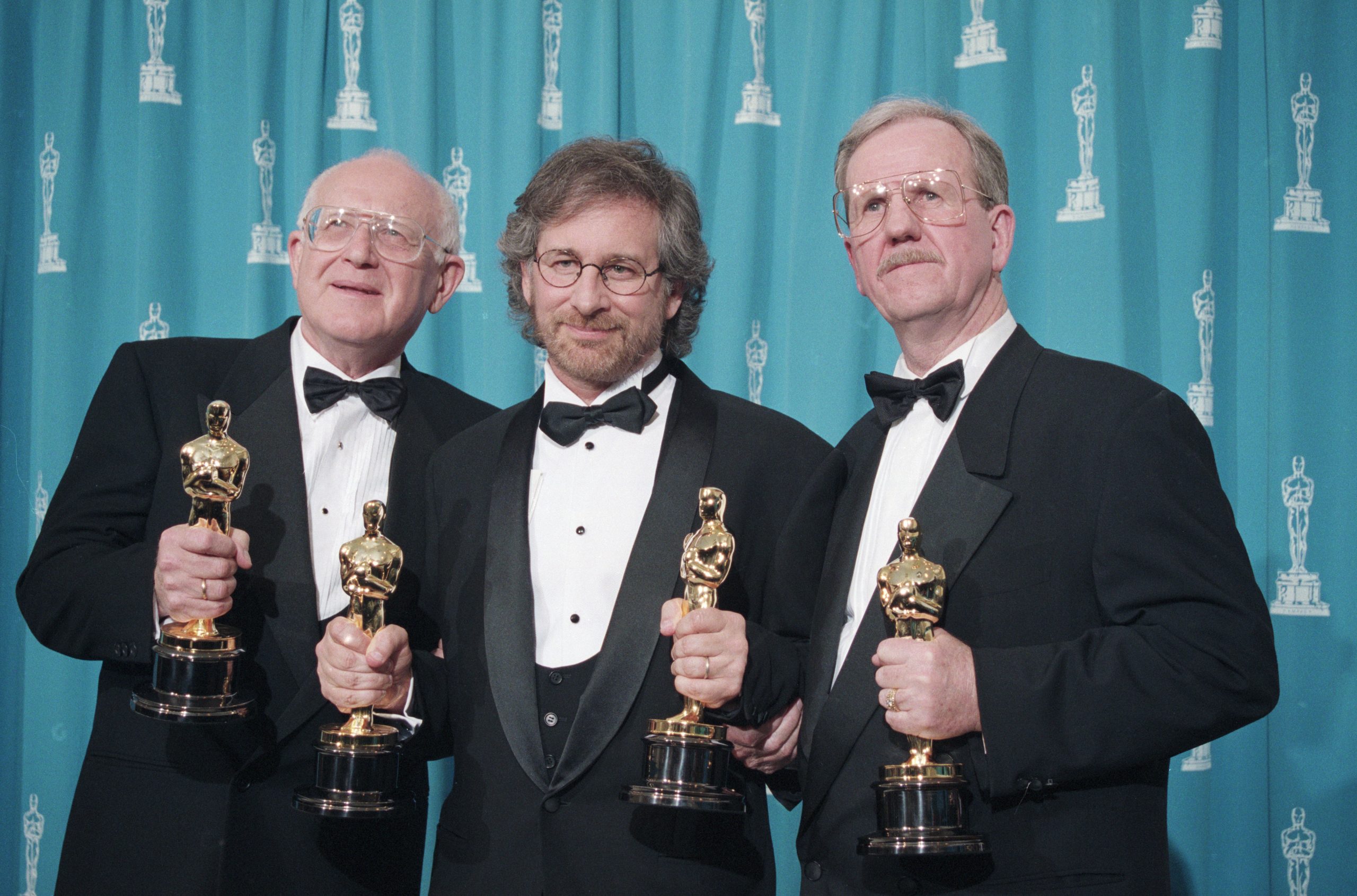
A crowning milestone of his career arrived with Schindler’s List. The 1993 drama, which portrayed the story of Oskar Schindler and the countless Jewish lives he saved amid the Holocaust, earned the Academy Award for Best Picture in 1994.
Molen received the Oscar alongside Spielberg and fellow producer Branko Lustig, marking an exceptional pinnacle for someone who had once maneuvered trucks across studio lots. His extensive producing credits also included the Best Picture winner Rain Man, as well as Days of Thunder, Just Like Heaven, The Meg, and Meg 2: The Trench.
In addition to his responsibilities behind the camera, Molen made brief cameo appearances in titles such as Rain Man, Jurassic Park, and Catch Me If You Can. His fascination with the film world started long before his official career began.
Born in Great Falls, Montana, in 1935, Molen relocated with his family to North Hollywood when he was 12 years old. His parents operated a café located near Republic Pictures in Studio City, where the young boy became captivated by the activity on the other side of the studio gates.
In a 2014 interview, he recalled that security guards would permit him onto the lot, where he watched Westerns being filmed while crouching behind hay bales or under wagons, explaining that the love of filmmaking got into his blood. Following high school, Molen completed service in the U.
S. Marine Corps before returning to the entertainment sector.
In 1957, he was hired as a truck driver at Republic Pictures, where he worked his way up through the transportation department to become its head. That progression opened the door to production management and eventually full producing duties.
Molen later called his period directing production at Amblin Entertainment the finest post in Hollywood, pointing to the privilege of producing Spielberg’s features while guiding the studio’s broader slate of releases. In his personal life, Molen shared nearly seven decades of marriage with his wife, Pat, who passed away in January 2024 at 86 years old.
Molen leaves behind an enduring cinematic legacy that reached millions across the globe. Beyond his extensive filmography, his story remains a powerful testament to perseverance—a young fan who started at the absolute bottom of the studio system and rose to help guide some of the most influential stories in motion picture history.