

The United States military is actively examining how to conduct large-scale combat operations, with senior commanders in the Army National Guard recently strategizing how to mobilize and deploy troops on a broader scale. These high-level deliberations have prompted renewed public discussion about the potential implications of a widespread conflict, particularly regarding who might be subject to compulsory service if international tensions were to escalate dramatically.
Readiness has become a top priority for defense officials worldwide amid ongoing hostilities in Ukraine, lingering instability across the Middle East, and broader security challenges facing European nations. In the United Kingdom, authorities recently reached out to roughly 100,000 former military members to refresh contact information and confirm their availability should a major international crisis emerge.
Contacted 100,000 former military personnel
British officials maintained that the initiative was strictly a safeguard and did not signal an impending war. In the United States, military leaders have similarly turned their attention to operational readiness.
While Washington has given no indication that it plans to restore mandatory conscription, planning by the Army National Guard has reawakened public interest in how the nation would expand its fighting ranks during a significant emergency. The American armed forces continue to function entirely as an all-volunteer organization, supported in the background by the Selective Service System, an administrative apparatus that could execute a draft if enacted by the president and approved by Congress.
Army National Guard leaders prepare
Understanding how that mechanism functions has taken on fresh relevance as military planners place greater focus on massive personnel mobilization. Between November 6 and 8, high-ranking Army National Guard commanders convened at the National Guard Professional Education Center at Camp Robinson in North Little Rock, Arkansas, for the 2026 Green Tab Commanders Conference.
The gathering centered on the theme of preparing for large-scale mobilization operations and large-scale combat operations. Leaders reviewed plans to assemble, certify, transport, and fold Guard formations into the broader military structure during an armed confrontation.
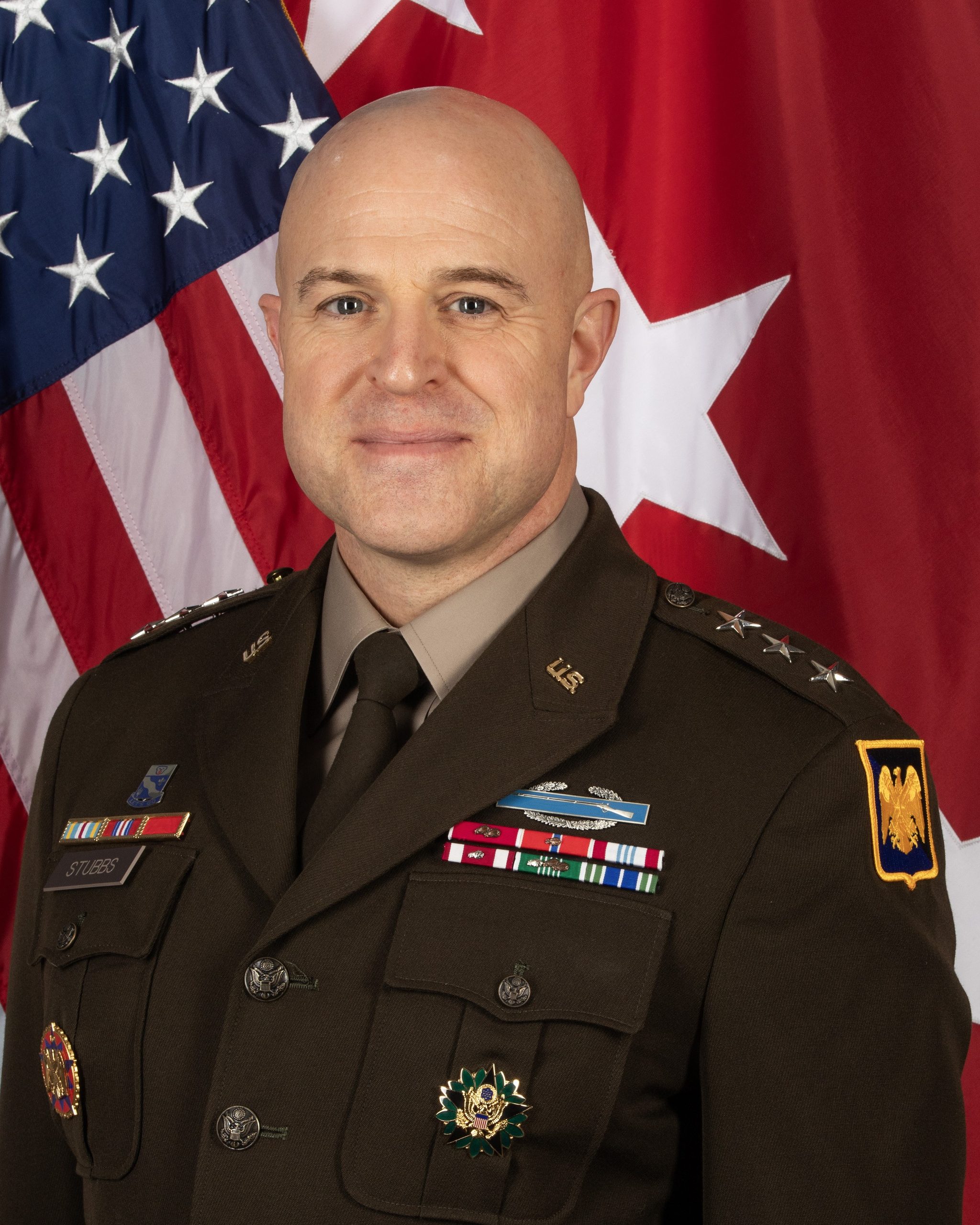
Lt. Gen.
Jonathan M. Stubbs, director of the Army National Guard, highlighted the necessity of maintaining units capable of responding immediately.
Who could be drafted in the United States?
He noted that operational success begins with mastering basic soldiering tasks, pointing out that disciplined personnel, capable vehicle crews, agile platoons, and competent command teams form the bedrock needed to mobilize effectively and furnish genuine combat power for the nation. Operating as the primary combat reserve for the Army, the Army National Guard comprises around 329,000 service members spread across 50 states, three territories, and the District of Columbia.
Altogether, the Guard accounts for upwards of 40 percent of the service’s overarching combat capability. Senior noncommissioned officers and field commanders at the gathering, including Command Sgt.
Maj. Brian Kendrick and Maj.
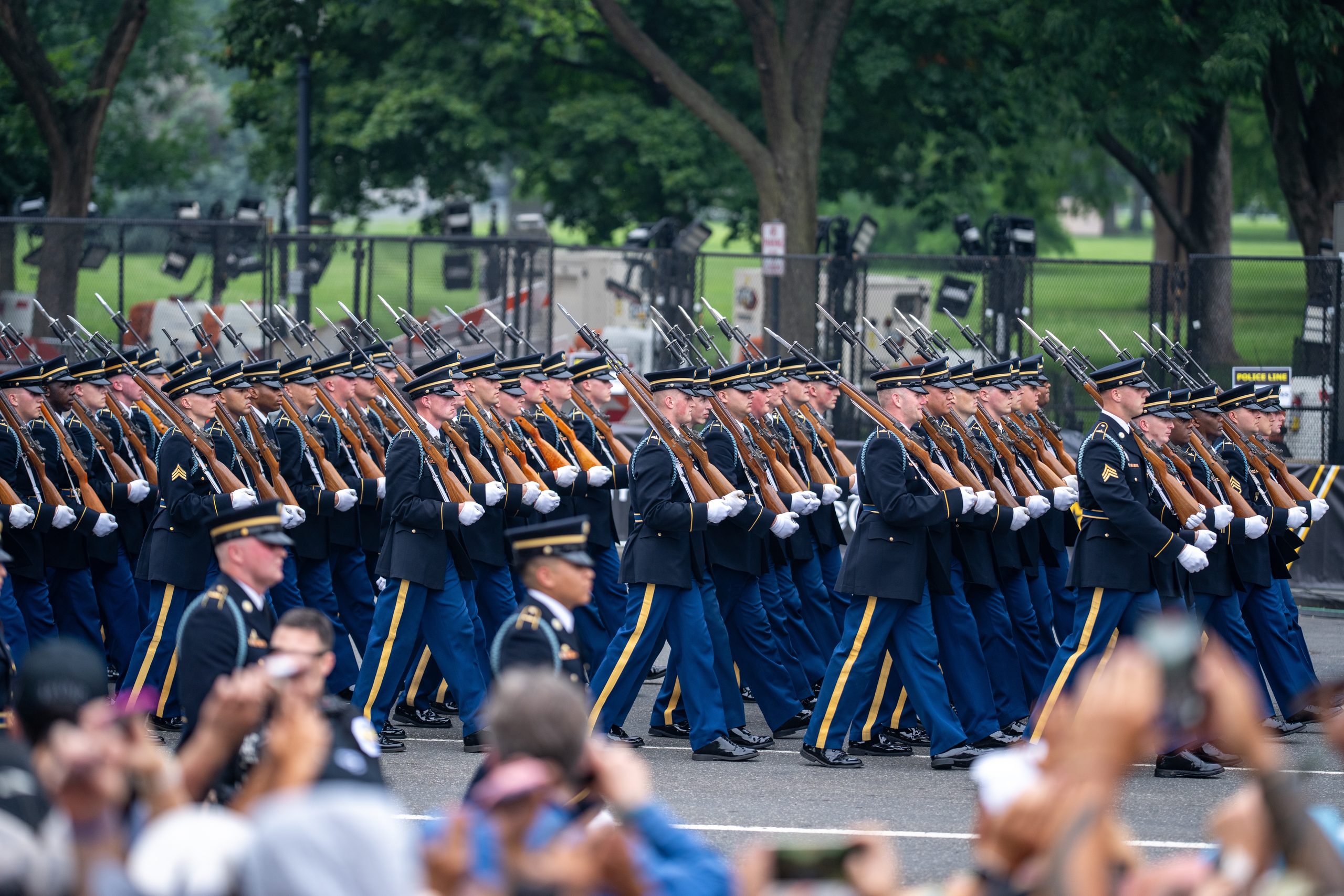
Gen. Richard A.
Wholey Jr. , stressed that readiness relies on maximizing drill periods, enforcing field standards, and synchronizing maneuvers across state borders and military branches.
New changes to the draft registration system
The Arkansas conference was intended to bolster the capabilities of currently serving troops rather than initiate a draft or signal compulsory service for ordinary citizens. Still, the prospect of an expanded conflict frequently raises questions regarding how the armed forces would obtain supplemental personnel if volunteer ranks proved insufficient.
The United States has not utilized conscription since ending the draft in 1973 to transition toward an all-volunteer model. Even so, the Selective Service framework remains an active federal mandate.
Could women be drafted too?
Under modern statutory guidelines, almost all male American citizens and male immigrants between the ages of 18 and 25 are mandated to register. Registering simply logs an individual into an existing roster and does not place them directly into uniform unless the federal government formally authorizes an active draft.
The registration apparatus is also undergoing procedural revisions. Under statutory measures signed into law by President Donald Trump in December 2025, the federal government is scheduled to transition to an automatic registration process on December 19, 2026.
This updated method will rely on existing administrative records held by state and federal authorities to automatically enroll qualifying men, removing the need for individual manual sign-ups. Under existing law, registration requirements do not extend to women.
Although lawmakers on Capitol Hill have repeatedly debated expanding draft registration to include females—especially following the 2016 directive opening all military combat roles to women—statutory changes have not been passed. Registration requirements remain restricted to men, subject to specific criteria concerning immigration and personal circumstances.
Has the US brought back the military draft?
Despite the heightened emphasis on defense preparedness and widespread troop movements, the United States has not reinstated conscription. The armed services continue to rely strictly on voluntary recruits, and the Army National Guard’s recent strategic initiatives remain focused on refining the readiness of existing formations.
Nonetheless, the pairing of comprehensive mobilization planning with automated registration updates highlights how federal authorities maintain the mechanisms to scale the military if a large-scale international crisis should require it.